A Brand New Everesting Event for 2027
Every ascent reveals a different version of the road, and a different version of the rider on it.
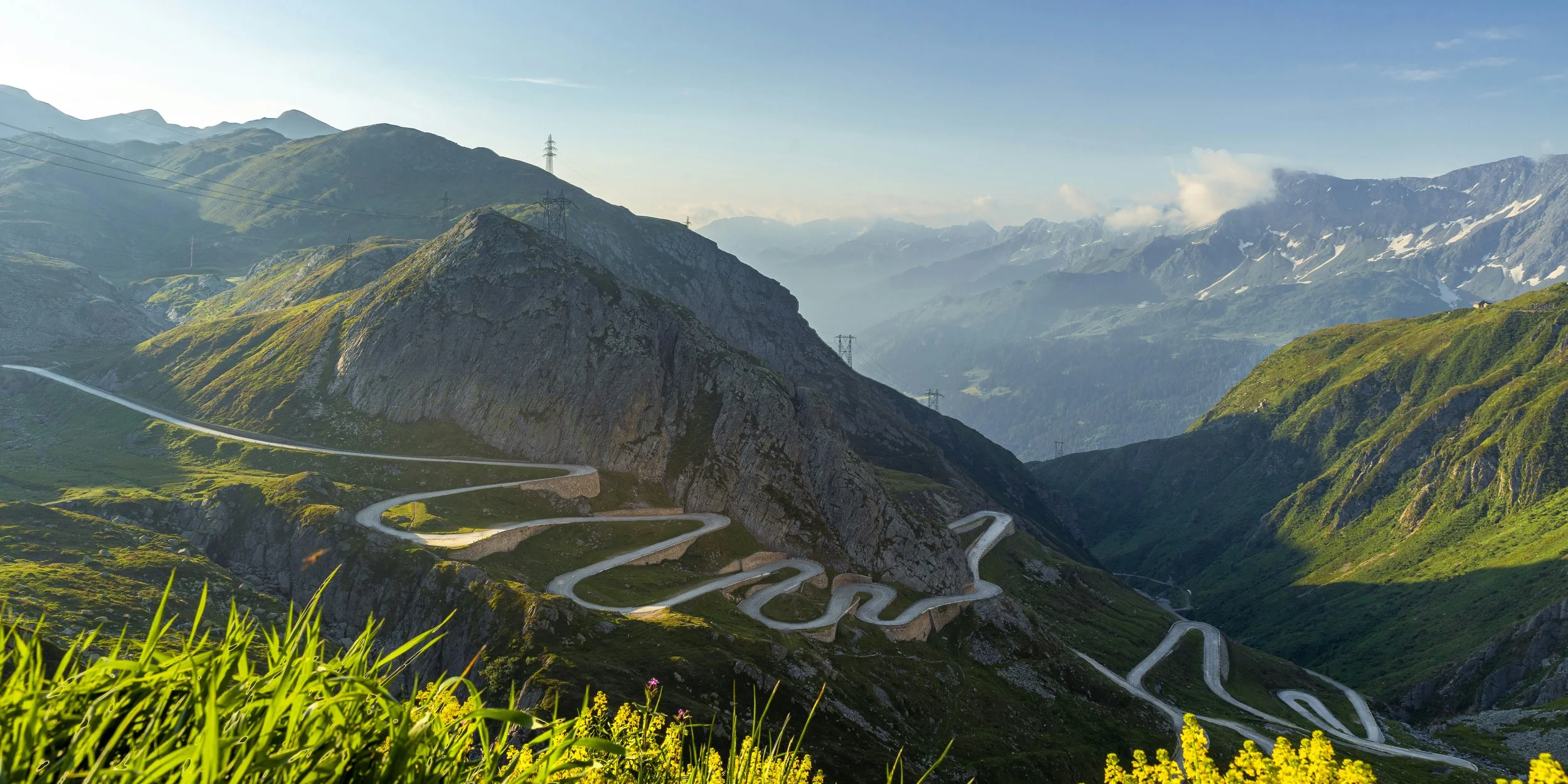
Credit: Tim Kuhn
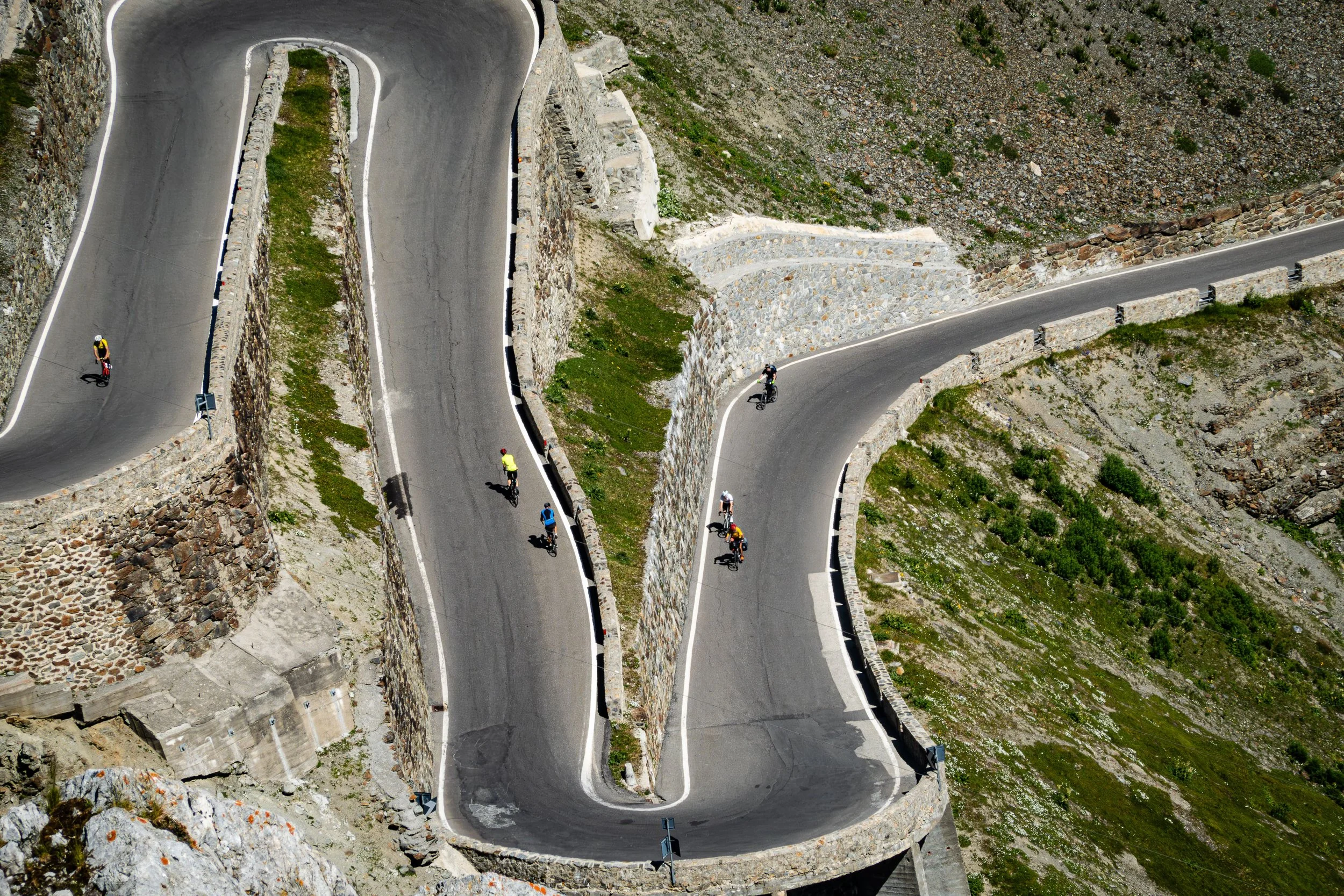
There's a road above Airolo that cyclists have been riding for over a century, long before anyone thought to race a bike up it. Twenty-four hairpin bends, stacked into the last six kilometres and still surfaced in cobblestone for most of that stretch, carry the road up the southern wall of the Gotthard Pass.
That road is the Tremola San Gottardo. And on 11 September 2027, it becomes the newest stop on the Everesting Official Events calendar — Switzerland Tremola.
Altus Collective is the official travel partner for the event, which means we're already building the travel packages: where to stay in Airolo, how to get there from anywhere in the world, and what to do with the rest of your week in Switzerland once the climbing's done.
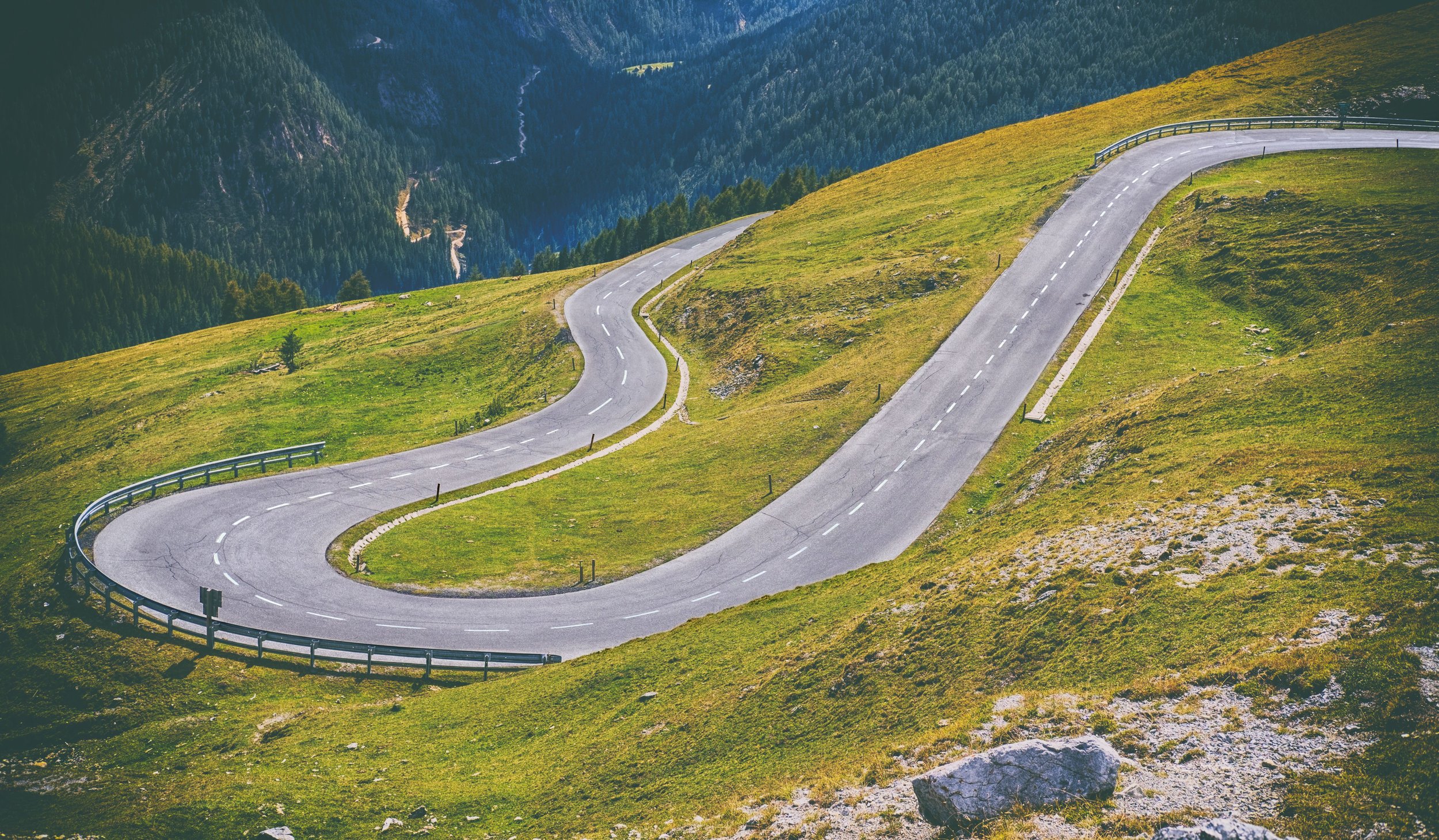
Credit: Pexels
The Everesting Event
Riders take on the Tremola in one of four solo distances — Full (8848m), Half (4424m), Quarter (2212m) or Eighth (1106m) — or they can choose to split the elevation across a team of 2, 4 or 8 riders.
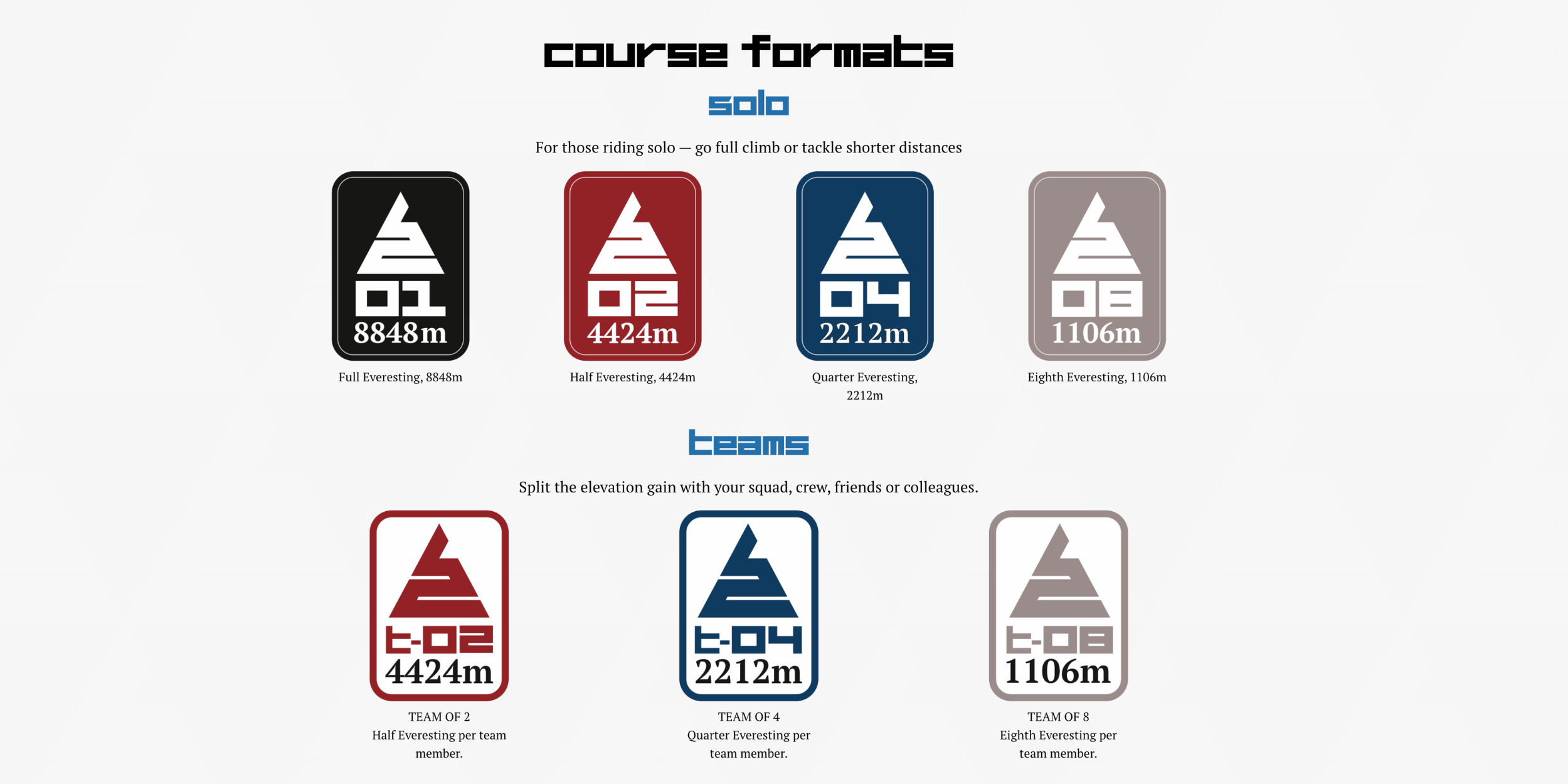
Each ascent is 13.1km at an average gradient of 7%, tipping to 9% at its steepest. Each lap 923m of climbing. For the weekend, the road is closed to traffic entirely. Descents are neutralised, so the timing — and the effort — is all about going up.
During Everesting, familiarity never makes the Tremola ordinary.
The line may be the same, but your body, your focus and the light around you keep changing.
It's early days for logistics — the Everesting team are still finalising the details for the event — but the shape of the weekend is already clear: a festival village at the base, aid stations and mechanical support on course, and a 19-hour cut-off for anyone taking on the Full.
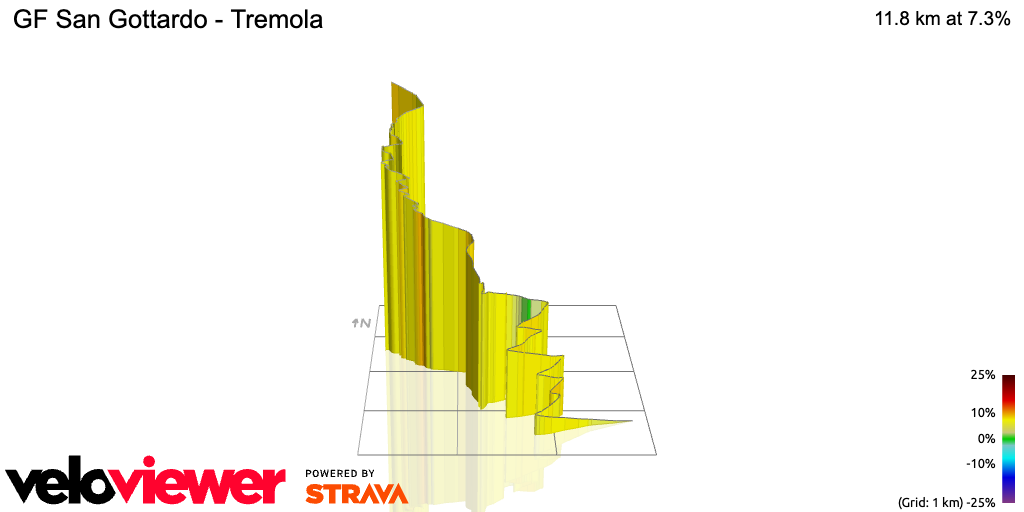
View the full climb on VeloViewer
Why the Tremola, specifically
Some climbs are famous because they’ve featured in the world’s biggest bike races. Some because of their fearsome gradients, or staggering altitude. Tremola is famous because it’s been here for centuries.
It's the old road over the Gotthard, the one that connected northern and southern Europe long before tunnels did the job in minutes instead of hours.
Credit: Jose Rodriguez Ortega
The first thing you notice about the Tremola is the road itself. It doesn't feel like a modern one.
Long before power meters, GPS files and finish lines, people were already crossing this mountain.
For merchants, travellers and soldiers, the Gotthard was one of the great gateways through the Alps and the Tremola was the road that carried them across.
The climb tops out at 2,107m, at the old hospice by the Gotthard's summit lakes. Sasso San Gottardo, the fortress built into the mountain, is a short detour from there. The Devil's Bridge and the Schöllenen Gorge are close by too — both reachable in the same afternoon for a day trip once the event is over.
How we're building the trip
We're already building the travel packages for the Tremola, and we want them to be the best on offer for our riders.
Here's what we know already: the nearest large international airports are Milan Malpensa and Zurich, both around two hours from Airolo.
Airolo also sits directly on the Gotthard rail line, so getting there without a car is straightforward from Zurich, Lugano or Milan.
We’ll be releasing the rest of the details — accommodation, packages, off-the-bike excursions — over the coming months. If you're planning to ride the Tremola — solo, as part of a team — get in touch and we'll start putting your package together.
The mountain remains the same. What you bring back from it is another story.
Credit: Pexels
The Handy Guide
Getting there: Fly into Milan Malpensa or Zurich (around 2 hours to Airolo), or take the train directly to Airolo station from Zurich, Lugano or Milan.
Where to stay: Airolo itself, for the shortest possible trip to the start line — though rooms are limited, so we're locking these in early.
What to expect: A closed, cobbled, switchback climb through one of the most historically significant roads in the Alps, with a festival village, full rider support, and a 19-hour cut-off for the Full distance.
Best for: Climb collectors who want a Tourmalet-or-Stelvio-tier bucket list entry, not just the elevation gain.